

In a world buzzing with noise and constant chatter, the art of expressing gratitude in silence might seem like a lost skill. But what if the quiet moments of appreciation hold more power than the loudest thank-yous? Imagine pausing to soak in life’s little joys without the distractions of social media or the pressure to perform. It’s like giving a high-five to the universe without making a sound.
Gratitude in silence isn’t just a trendy concept; it’s a transformative practice that can elevate one’s mindset and well-being. It’s the secret sauce that turns a mundane day into a celebration of life’s simple pleasures. So, grab a cup of tea, take a deep breath, and discover how embracing silence can amplify your gratitude game. After all, sometimes the loudest expressions of thanks don’t need words at all.
Understanding Gratitude in Silence
Gratitude in silence refers to the practice of appreciating moments internally, allowing for deeper reflections. It can manifest during quiet times when individuals connect with their thoughts and emotions. Engaging in silent gratitude often leads to enhanced mindfulness, promoting a clearer understanding of one’s feelings.
Research shows that practicing gratitude can improve mental health. A meta-analysis found that gratitude interventions significantly reduce symptoms of depression and anxiety. Responses to appreciation can also foster positive relationships, allowing for more authentic connections over time.
Silence provides a unique space for contemplation. Pausing to acknowledge life’s simple joys facilitates a greater awareness of one’s surroundings. Nature walks, for example, offer ideal settings for appreciating the beauty around without distracting noise.
Lessons come from these moments of quiet appreciation. Recognizing small details, like the smell of fresh coffee or the warmth of sunlight, makes these experiences profound. Each silent acknowledgment transforms ordinary occurrences into moments of gratitude.
Cultivating this inner practice can lead to lasting benefits. A study by Emmons and McCullough found that individuals who regularly practice gratitude report higher levels of well-being. Fostering gratitude in silence not only enhances personal life but also influences those in their environment, creating a ripple effect of positivity.
Embracing silence as a means to express gratitude elevates awareness. It complements vocal expressions and reinforces a mindset focused on appreciation. This intentional practice enriches daily experiences, nurturing emotional resilience and contentment.
The Importance of Silence in Expressing Gratitude
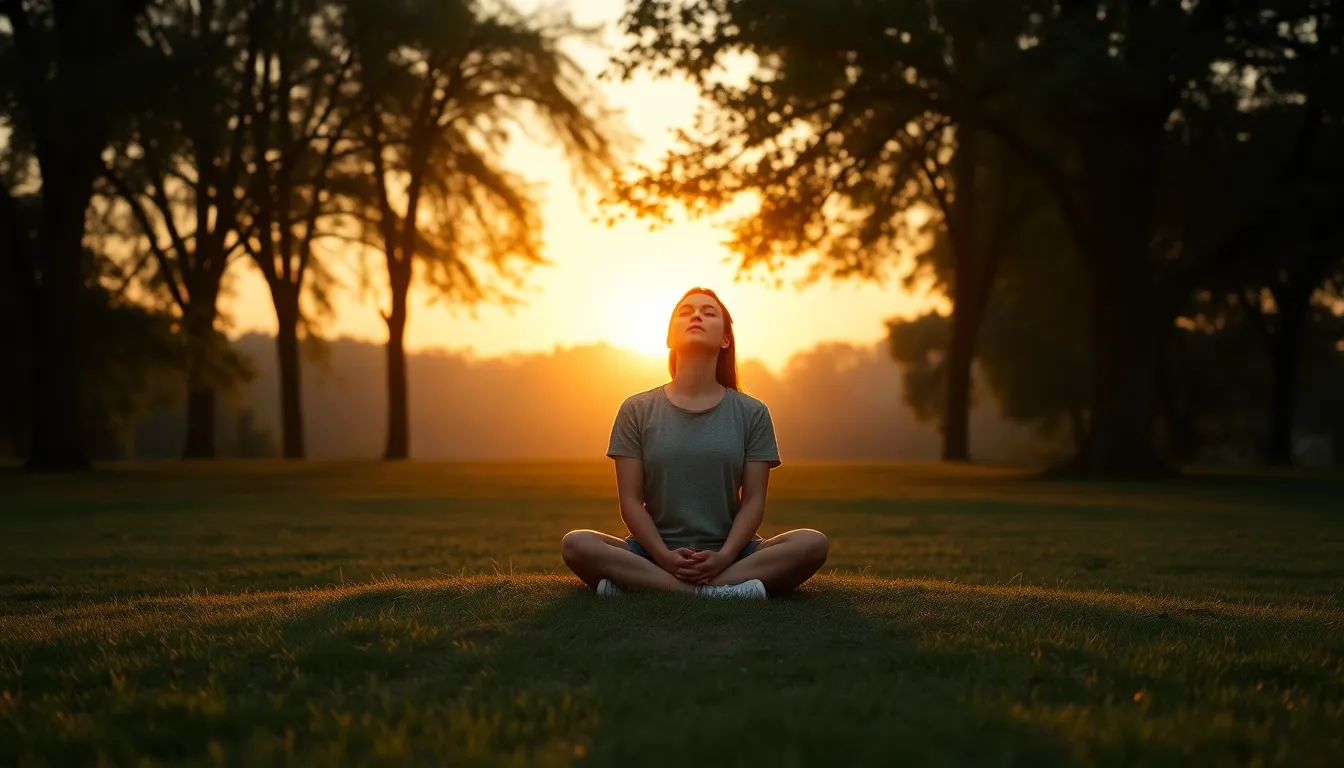
Silence offers a unique platform for expressing gratitude. It fosters a deeper connection with one’s feelings and surroundings.
Psychological Benefits
Silent appreciation contributes to improved mental health. Individuals engaging in this practice often report reduced symptoms of anxiety and depression. Studies show that reflecting on gratitude without distractions enhances mindfulness. This mindfulness cultivates a clearer perspective on life’s positives. Research indicates that even brief moments of silence can boost overall well-being. Practicing gratitude in silence leads to greater self-awareness and emotional clarity.
Emotional Resilience
Practicing gratitude in silence strengthens emotional resilience. Individuals who engage in this introspective practice often find themselves better equipped to handle stress. Silent gratitude builds an inner strength that supports coping strategies. This strength nurtures the ability to bounce back from adversity. Research illustrates that those who practice silent gratitude during tough times develop healthier emotional responses. They tend to maintain a positive outlook in challenging situations. By embracing silence, individuals can reinforce their emotional stability and cultivate more fulfilling relationships.
Ways to Practice Gratitude in Silence
Practicing gratitude in silence can enhance personal well-being and deepen appreciation. Below are techniques and methods to cultivate this practice effectively.
Mindfulness Techniques
Mindfulness techniques offer structured ways to engage in silent gratitude. Focusing on breathing allows for increased awareness of thoughts and feelings. When individuals take a few minutes to observe their surroundings, they often discover unrecognized wonders. Creating a gratitude mantra can facilitate contemplation, allowing one to silently acknowledge what they’re thankful for. Engaging in nature walks provides a serene backdrop to reflect on life’s blessings. Studies show that these mindfulness practices can significantly improve emotional health, fostering resilience against stress.
Journaling Practices
Journaling practices encourage individuals to articulate gratitude privately. Writing down thoughts promotes clarity and refines the understanding of what truly matters. Daily journaling can involve listing three things to appreciate, which helps cultivate a more consistent gratitude mindset. Reflecting on specific moments throughout the day urges deeper insights into why those experiences matter. Setting aside time for gratitude journaling fosters a quiet space for reflection that can improve overall happiness. Consistency in these practices leads to heightened awareness and emotional stability, enriching one’s life experiences.
Personal Experiences and Testimonials
Individuals express gratitude in silence through various personal experiences. One participant described a moment of reflection, sitting by a tranquil lake. This serene setting allowed them to appreciate the beauty of nature and feel a deep sense of gratitude. While listening to the gentle ripple of water, they experienced a profound connection to their surroundings.
Another person mentioned using silent gratitude during stressful workdays. By taking a few moments to pause and breathe, they found clarity in their emotions. Embracing those quiet pauses reduced their anxiety, making them more resilient in challenging situations.
They shared how moments spent in silence brought a renewed sense of appreciation for small joys. Each cup of coffee became more than just a beverage; it transformed into a ritual of gratitude. Finding joy in these routines enhanced their overall mental well-being.
A different individual reflected on journaling as a silent expression of gratitude. Writing about daily experiences in a quiet setting allowed for deeper insights. Each entry became a testament to their appreciation of life’s simple pleasures.
Another participant highlighted nature walks during which they practiced silent gratitude. Engaging with their surroundings without distractions opened their eyes to unrecognized wonders. Silence created a unique space for contemplation.
Collectively, these testimonials reinforce the power of silent gratitude. Practicing gratitude in silence nurtures emotional resilience. It highlights the importance of mindfulness in everyday life and reveals the significant impact of pausing to appreciate moments without words.
Embracing gratitude in silence opens doors to deeper emotional connection and self-awareness. It allows individuals to pause and truly appreciate the beauty in everyday moments. By incorporating silent gratitude practices into daily life, one can cultivate a more mindful existence that enhances overall well-being.
The transformative power of silence can lead to improved mental health and emotional resilience. As individuals learn to appreciate the small details around them, they foster a sense of contentment that ripples through their relationships and experiences. Ultimately, silent gratitude offers a unique pathway to a richer and more fulfilling life.