
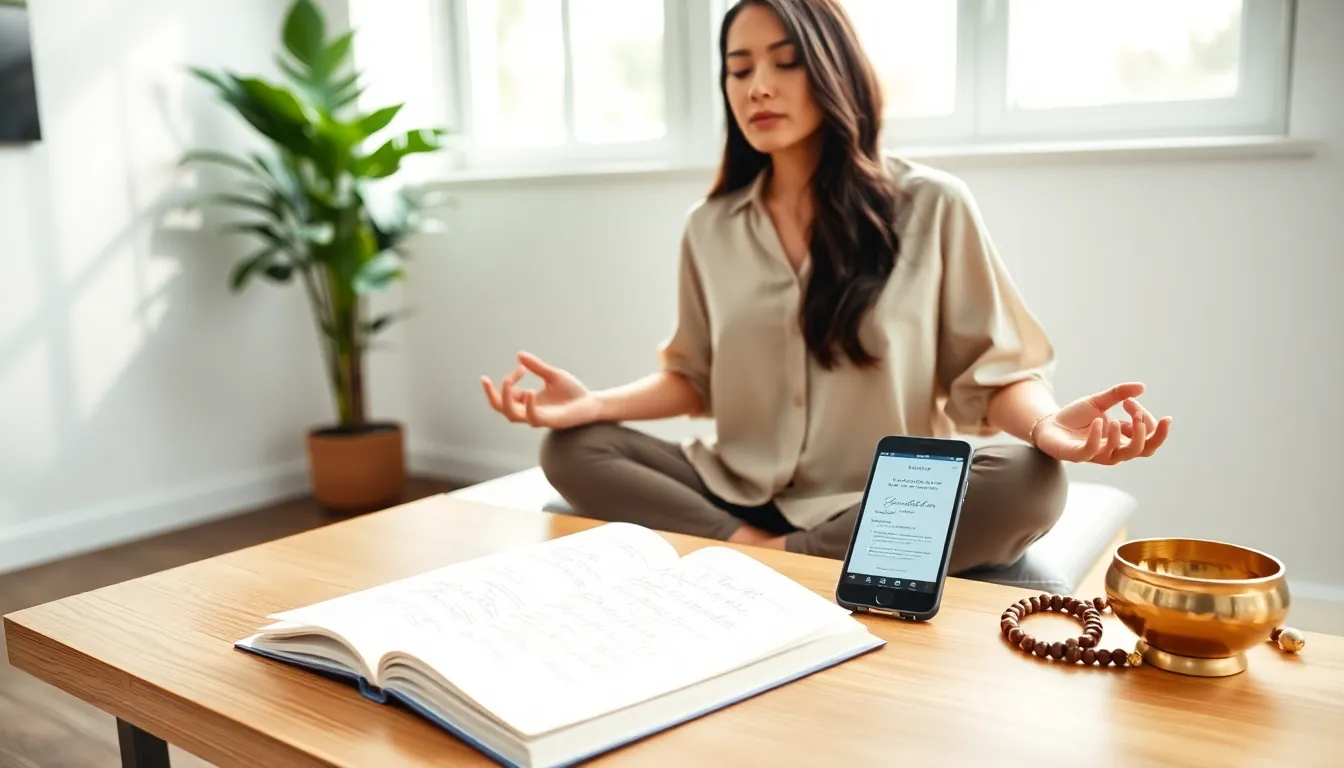
Mindfulness practices tools help people reduce stress, improve focus, and build emotional balance. These resources range from smartphone apps to physical objects like meditation cushions and journals. Whether someone is new to mindfulness or has practiced for years, the right tools can make daily practice easier and more consistent.
This guide covers the most effective mindfulness practices tools available today. Readers will learn about digital apps, physical aids, and simple techniques they can use immediately. The goal is practical: find what works and start using it.
Table of Contents
ToggleKey Takeaways
- Mindfulness practices tools—including apps, journals, and breathing devices—make daily meditation more accessible and consistent.
- Digital apps like Headspace, Calm, and Insight Timer offer guided sessions, progress tracking, and reminders to support regular practice.
- Physical tools such as meditation cushions, mala beads, and singing bowls engage the senses and create dedicated spaces for mindfulness.
- Simple techniques like box breathing and the 5-4-3-2-1 grounding exercise require no equipment and can be practiced anywhere in minutes.
- Research shows regular mindfulness practice can reduce anxiety symptoms by up to 30%, but consistency is key—tools help maintain that consistency.
- Combining digital and physical mindfulness practices tools with simple techniques creates a sustainable routine tailored to your needs.
What Are Mindfulness Tools and Why They Matter
Mindfulness tools are resources that support focused attention and present-moment awareness. They include apps, timers, journals, breathing devices, and guided audio programs. These tools serve one purpose: they make mindfulness practices more accessible and sustainable.
Why do mindfulness practices tools matter? Research from the American Psychological Association shows that regular mindfulness practice reduces anxiety symptoms by up to 30%. But consistency is the challenge. Most people quit within the first few weeks. Tools solve this problem by providing structure, reminders, and guidance.
Consider the difference between meditating alone in silence versus using a guided session. The guided version offers direction, pacing, and encouragement. Mindfulness practices tools remove the guesswork. They give practitioners a clear path to follow.
These tools also track progress. Many apps log session length, frequency, and streaks. This data helps users see their growth over time. Seeing progress motivates continued practice.
For beginners, mindfulness practices tools lower the barrier to entry. Someone who feels unsure about meditation can simply press play on an app. The tool handles the rest.
Popular Digital Apps for Guided Practice
Digital apps represent the most popular category of mindfulness practices tools. They offer convenience, variety, and expert instruction in one package.
Headspace
Headspace provides guided meditations for sleep, stress, focus, and movement. The app uses animations and simple explanations to teach mindfulness concepts. Users can choose sessions lasting 3 to 20 minutes. Headspace works well for beginners who want structured learning.
Calm
Calm focuses on relaxation and sleep improvement. The app features celebrity-narrated sleep stories, breathing exercises, and nature soundscapes. Its daily meditation series called “Daily Calm” offers fresh content each day. Calm suits users who want variety in their mindfulness practices tools.
Insight Timer
Insight Timer stands out as a free option with over 200,000 guided meditations. Teachers from around the world contribute content. The app includes a customizable timer for silent meditation. Users who want access to diverse teaching styles appreciate Insight Timer.
Ten Percent Happier
Ten Percent Happier appeals to skeptics. The app features teachings from secular meditation instructors and addresses common doubts about mindfulness. Its courses tackle specific issues like procrastination, relationships, and work stress.
These digital mindfulness practices tools share common features: progress tracking, reminder notifications, and offline access. Most offer free trials, so users can test before committing to a subscription.
Physical Tools to Enhance Your Mindfulness Routine
While apps dominate the conversation, physical mindfulness practices tools offer unique benefits. They engage the senses and create dedicated spaces for practice.
Meditation Cushions and Benches
Proper posture matters during meditation. A zafu (round cushion) or meditation bench elevates the hips and reduces strain on the knees and back. Practitioners who sit for longer sessions notice immediate comfort improvements with proper support.
Breathing Trainers
Devices like Shift and Komuso guide breathing patterns without screens or apps. Users exhale through a tube designed to slow breath naturally. These tools work well for people who want mindfulness practices tools that don’t require technology.
Journals and Workbooks
Mindfulness journals prompt reflection and gratitude practices. Some include daily prompts, mood trackers, and space for free writing. Popular options include “The Five Minute Journal” and “The Mindfulness Journal.” Writing by hand engages the brain differently than typing, making journals effective mindfulness practices tools.
Singing Bowls and Chimes
Sound-based tools signal the start and end of meditation sessions. A singing bowl’s resonant tone helps practitioners transition into a calm state. Meditation chimes serve the same purpose with a lighter sound.
Mala Beads
Mala beads contain 108 beads strung together. Practitioners use them to count mantras or breaths. The tactile experience of moving beads keeps attention anchored during practice. Mala beads combine function with personal expression, as they come in various materials and colors.
Simple Techniques You Can Start Today
The best mindfulness practices tools mean nothing without actual practice. These techniques require no equipment and take just minutes.
Box Breathing
Box breathing follows a simple pattern: inhale for 4 seconds, hold for 4 seconds, exhale for 4 seconds, hold for 4 seconds. Navy SEALs use this technique to manage stress in high-pressure situations. Anyone can practice box breathing at their desk, in traffic, or before a difficult conversation.
Body Scan
A body scan moves attention systematically from head to toe. Practitioners notice sensations in each body part without trying to change anything. This technique takes 5 to 15 minutes and works especially well before sleep. Body scans build awareness of physical tension patterns.
Mindful Walking
Mindful walking turns ordinary movement into meditation. Practitioners focus on the sensation of feet touching the ground, the rhythm of steps, and surrounding sounds. A 10-minute walk around the block becomes a mindfulness session.
The 5-4-3-2-1 Grounding Exercise
This technique uses the senses to anchor attention in the present moment. Practitioners identify 5 things they see, 4 things they hear, 3 things they feel, 2 things they smell, and 1 thing they taste. The 5-4-3-2-1 method interrupts anxiety spirals quickly.
These techniques pair well with mindfulness practices tools. Someone might use an app timer for box breathing or a journal to record observations after a body scan.