
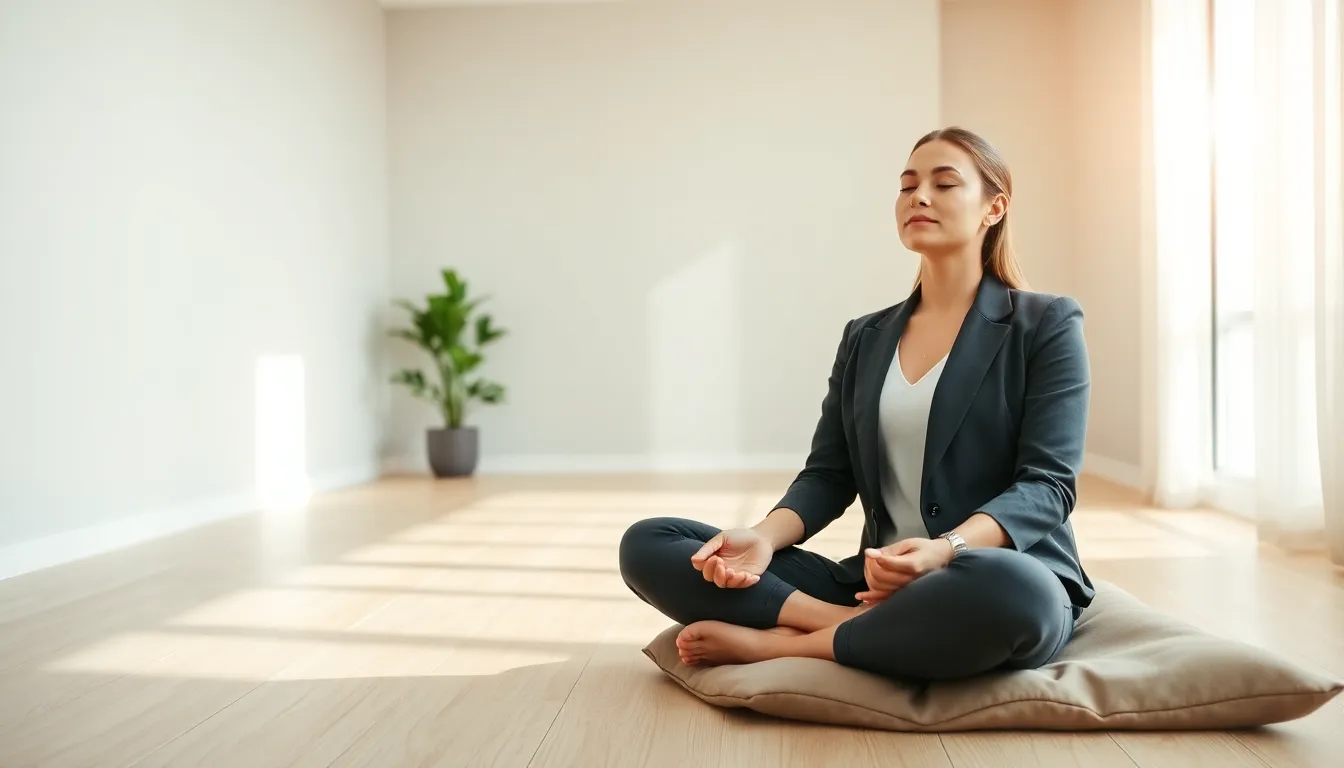
Top mindfulness practices offer a simple way to reduce stress and improve mental clarity. These techniques help people focus on the present moment instead of worrying about the past or future. Research shows that regular mindfulness practice can lower anxiety, improve sleep quality, and boost emotional well-being.
Mindfulness isn’t reserved for monks or yoga instructors. Anyone can learn these skills and apply them daily. The practices range from formal meditation sessions to small habits woven into ordinary routines. This article covers the most effective mindfulness practices that can change how people experience their daily lives.
Table of Contents
ToggleKey Takeaways
- Top mindfulness practices like meditation, breathwork, and body scans can reduce anxiety, improve sleep, and boost emotional well-being.
- Consistency matters more than duration—a daily 10-minute mindfulness session is more effective than occasional longer practices.
- Mindful movement through walking meditation, yoga, or tai chi offers an alternative for those who find seated meditation challenging.
- Everyday activities like eating, listening, and brushing teeth can become powerful mindfulness practices without requiring extra time.
- Research shows regular mindfulness practice changes the brain, increasing gray matter in areas linked to memory and emotional control.
- Using triggers like doorways or red lights throughout your day helps build present-moment awareness into your routine.
What Is Mindfulness and Why Does It Matter
Mindfulness means paying attention to the present moment with openness and curiosity. It involves noticing thoughts, feelings, and sensations without judging them as good or bad. This awareness creates space between a person and their automatic reactions.
The concept has roots in Buddhist meditation traditions but has been adapted for secular use since the 1970s. Jon Kabat-Zinn developed Mindfulness-Based Stress Reduction (MBSR) at the University of Massachusetts Medical School. His program brought mindfulness practices into mainstream healthcare settings.
Why does mindfulness matter? The benefits are backed by solid research. Studies show that mindfulness practices can:
- Reduce symptoms of anxiety and depression
- Lower blood pressure and improve heart health
- Enhance focus and concentration
- Improve sleep quality
- Strengthen emotional regulation
The brain actually changes with regular mindfulness practice. MRI scans reveal increased gray matter in areas linked to learning, memory, and emotional control. Meanwhile, the amygdala, the brain’s stress center, shows reduced activity.
Mindfulness practices work because they interrupt the autopilot mode most people operate in. Instead of reacting to stress with old patterns, practitioners learn to respond thoughtfully. This shift creates lasting changes in how people handle challenges.
Meditation and Breathwork
Meditation sits at the core of most mindfulness practices. It trains the mind to focus and return to the present moment repeatedly. Even five minutes daily can produce noticeable results within weeks.
Focused Attention Meditation
This form involves concentrating on a single point of focus. Most beginners start with the breath. They notice the air entering and leaving their nostrils or the rise and fall of their chest. When the mind wanders, and it will, they gently bring attention back to the breath.
Open Awareness Meditation
This approach takes a broader view. Practitioners observe all thoughts, sounds, and sensations as they arise. They watch these experiences pass like clouds moving across the sky. The goal isn’t to stop thinking but to notice thinking without getting caught up in it.
Breathwork Techniques
Breathwork offers a direct path to calm. The 4-7-8 technique works especially well for stress relief: inhale for 4 counts, hold for 7 counts, exhale for 8 counts. This pattern activates the parasympathetic nervous system and signals safety to the body.
Box breathing provides another effective option. Practitioners inhale for 4 counts, hold for 4 counts, exhale for 4 counts, and hold again for 4 counts. Navy SEALs use this technique to stay calm under pressure.
Consistency matters more than duration with these mindfulness practices. A daily 10-minute session beats an occasional hour-long meditation. The key is building a habit that sticks.
Body Scan and Progressive Relaxation
Body scan meditation connects the mind to physical sensations. This practice reveals how stress shows up in the body, maybe tight shoulders, a clenched jaw, or shallow breathing. Most people carry tension without realizing it until they look.
How to Practice Body Scanning
Start by lying down or sitting comfortably. Close the eyes and take several deep breaths. Begin at the top of the head and slowly move attention downward. Notice each area: scalp, forehead, eyes, cheeks, jaw, neck, shoulders, and so on.
Don’t try to change anything at first. Just observe. Does the area feel tight, warm, cold, or numb? After scanning each region, move to the next. A full body scan takes about 15-20 minutes, though shorter versions work too.
Progressive Muscle Relaxation
This technique pairs well with body scanning. It involves deliberately tensing muscle groups and then releasing them. The contrast helps people recognize what relaxation actually feels like.
Start with the feet. Curl the toes tightly for 5 seconds, then release. Notice the difference. Move to the calves, thighs, abdomen, hands, arms, shoulders, and face. Tense each group, hold briefly, and let go completely.
These mindfulness practices prove especially useful before sleep. They quiet the mental chatter that keeps people awake. They also help athletes recover faster and reduce chronic pain symptoms. The body and mind are deeply connected, addressing one affects the other.
Mindful Movement and Walking
Sitting still doesn’t appeal to everyone. Mindful movement offers an alternative that combines physical activity with present-moment awareness. The body becomes the anchor for attention.
Walking Meditation
This practice turns an ordinary activity into a mindfulness exercise. Practitioners walk slowly and deliberately, paying close attention to each step. They notice the heel touching the ground, weight shifting, and toes lifting.
Outdoor walking meditation adds sensory richness. The feel of wind on skin, sounds of birds, colors of leaves, all become objects of attention. There’s no destination. The point is the walk itself.
Even a short hallway works. Walk from one end to the other, turn around, repeat. The slow pace feels strange at first. That discomfort itself becomes something to observe.
Yoga and Tai Chi
These ancient practices build mindfulness into physical postures. Yoga connects breath with movement through flowing sequences. Practitioners hold poses while maintaining awareness of bodily sensations.
Tai chi uses slow, graceful movements that demand full attention. The practice improves balance, flexibility, and mental focus simultaneously. Both traditions have been practiced for centuries because they work.
Mindful Exercise
Any physical activity can become a mindfulness practice. Running, swimming, weightlifting, all offer opportunities to focus on bodily sensations. The trick is staying present rather than mentally planning dinner or replaying conversations.
These movement-based mindfulness practices suit people who feel restless during seated meditation. They prove that stillness isn’t required for awareness.
Integrating Mindfulness Into Everyday Activities
Formal practice sessions matter, but mindfulness truly transforms life when it spreads into ordinary moments. Any activity can become a practice with the right approach.
Mindful Eating
Most people eat while scrolling phones or watching screens. Mindful eating means giving food full attention. Notice colors, textures, and aromas before taking a bite. Chew slowly and observe flavors changing.
This practice often leads to healthier eating habits. People recognize hunger and fullness signals they usually miss. Food becomes more satisfying when attention is present.
Mindful Listening
Conversations improve dramatically with mindful attention. Instead of planning what to say next, practitioners focus entirely on the speaker. They notice tone, expression, and the words being chosen.
This depth of attention makes others feel truly heard. Relationships strengthen. Misunderstandings decrease. It’s one of the most practical mindfulness practices available.
Routine Activities as Practice
Brushing teeth, washing dishes, taking a shower, these daily tasks offer perfect opportunities. The key is bringing full attention to sensations: water temperature, soap bubbles, brush bristles.
These moments already exist in everyone’s day. No extra time is required. They become small anchors that pull attention back to the present.
Using Triggers
Some people set reminders throughout the day. Others use specific events as triggers: every time they walk through a doorway, they take three conscious breaths. Red lights become opportunities for mini-meditations.
These informal mindfulness practices accumulate. Over time, present-moment awareness becomes more natural. The gap between “practice” and “regular life” shrinks.